Financial Education • 6 min read
Free Financial Literacy Lessons for Students in Low Income Communities: What Works
By Kevin Ringler • Published October 28, 2026
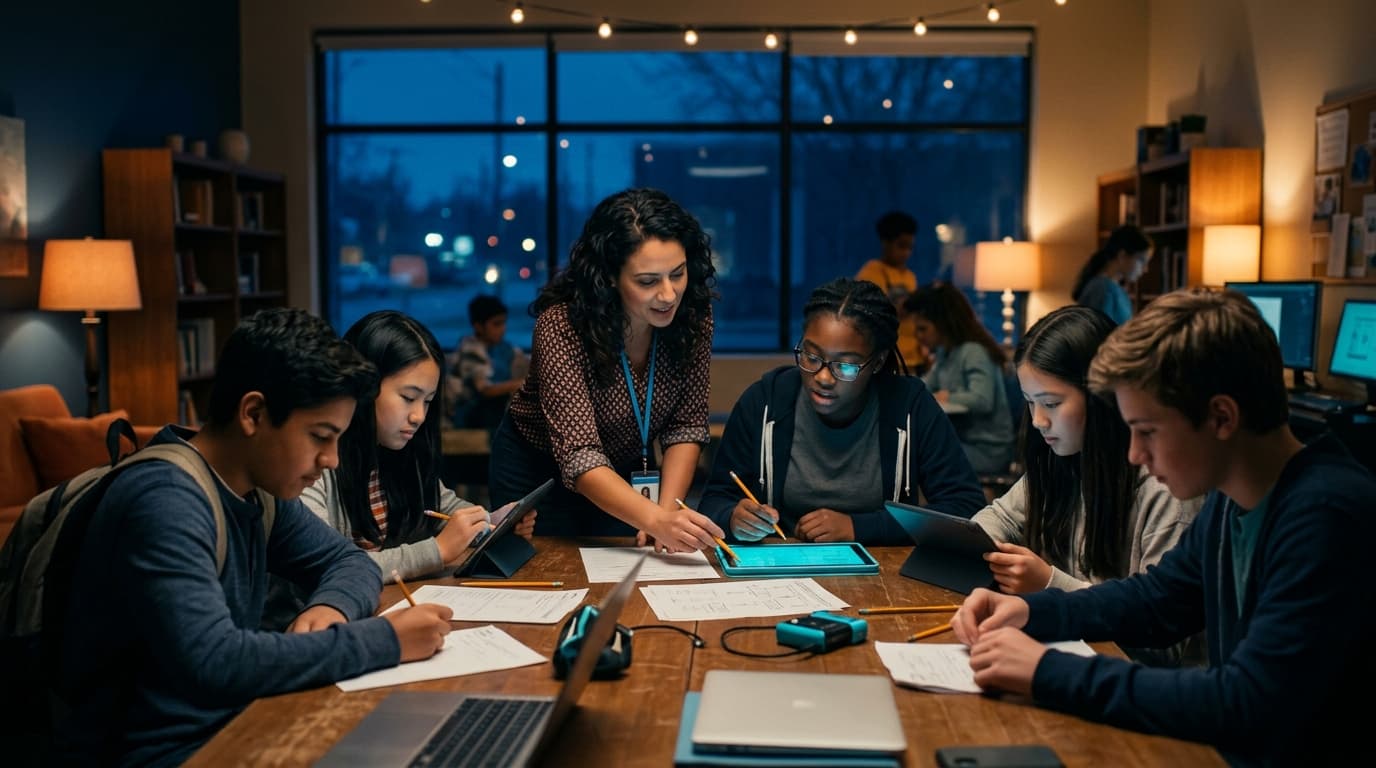
The best free programs are practical, relevant to students' real lives, hands on, and connected to a next step like a savings account or ongoing support. Free curriculum is easy to find. Making it stick takes thoughtful delivery and follow through.
Why it matters
Students in lower income communities often have the most to gain from financial education and the least access to it at home. They may be helping their families manage money already, working part time jobs, or facing high cost financial products in their neighborhoods. Lessons that respect that reality land better than lessons built around a typical middle class life.
The evidence that financial education works is strong. A 2022 meta analysis of 76 randomized experiments found improvements in both knowledge and behavior, and a Federal Reserve Board study found higher credit scores and lower delinquency among young adults who received required financial education.
High quality free curricula
- Next Gen Personal Finance (NGPF) for complete courses and activities
- FDIC Money Smart for Young People for grade level lessons
- EconEdLink from the Council for Economic Education
- Federal Reserve education resources
What makes programs work
- Real situations. Use examples students recognize: paychecks from part time jobs, phone plans, rent, check cashing fees, and buy now, pay later offers.
- Hands on practice. Simulations and budgeting exercises beat lectures.
- Trusted messengers. Local bankers, community leaders, and teachers students already know.
- A next step. A savings account, a coaching session, or a follow up lesson turns knowledge into action.
- Respect, not judgment. Avoid lessons that imply families are making bad choices. Focus on tools and options.
For banks and credit unions
Supporting free programs in schools where most students qualify for free or reduced price meals can also support CRA goals, especially when your employees help deliver the lessons. Document participation, hours, and outcomes as you go.
Measure what matters
Track knowledge gains, accounts opened, and students' confidence. Ask students what was most useful and refine from there. Free doesn't have to mean low impact when the design and follow through are strong.
Related reading: How Adaptive Learning Helps Students Who Fall Behind in Financial Literacy and What Examiners Look For: Documenting Financial Literacy Programs for CRA.
About the author Kevin Ringler is the founder of Beginner Investor Hub, an adaptive financial education platform built for schools, community banks, and individual learners.
Sources Kaiser et al. (2022), Journal of Financial Economics. Brown et al. (2014), Federal Reserve Board.
This article is for educational purposes only.